How Players Can Improve Their Ability to Read Solitaire Boards
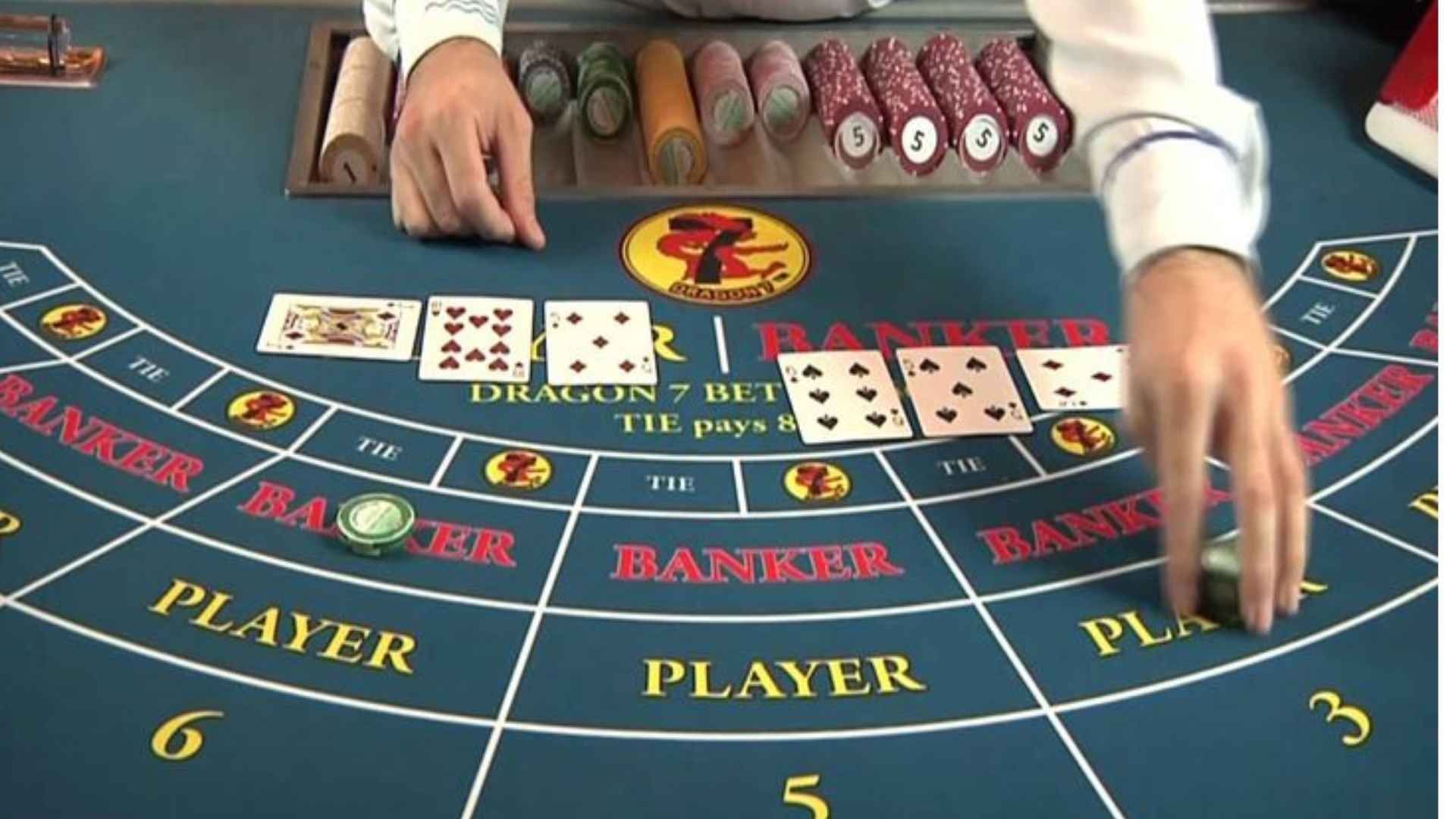
Reading a Solitaire board effectively is one of the most vital skills for transitioning from a casual player to a consistent winner. Scanning the board requires analyzing card distribution, recognizing potential sequences, and identifying hidden obstacles before making a single move. By shifting from reactive play to structured visual analysis, players can make far more informed decisions that keep their options open.
Scanning the Tableau Initial Layout
Before executing any immediate moves, take a moment to survey the entire initial tableau. Look closely at which columns contain the highest number of face-down cards, as these represent your primary targets. Prioritizing these heavy columns early on maximizes your chance of uncovering vital cards before the board becomes cluttered.
It is equally important to evaluate the distribution of suits and alternating colors across the visible layout. Recognizing early bottlenecks, such as missing low-rank cards or an imbalance of red and black suits, helps you formulate a flexible opening strategy. Taking a few extra seconds to scan the layout prevents hasty decisions that might stall your game prematurely.
Evaluating Sequence Mobility and Potential
Analyzing sequence potential involves looking beyond obvious single-card transfers to see multi-step possibilities. A single card movement might unlock a hidden pile, but it could also block a vital space needed for a larger sequence. Calculating how one transfer influences adjacent columns ensures that your moves build momentum rather than restrictions.
Experienced enthusiasts often look at digital card game platforms like m88 link to observe how quick pattern recognition applies to various strategy games. Developing this sharp analytical mindset enables you to identify high-value sequences that unlock the board. Over time, evaluating card mobility becomes second nature, allowing for smoother and more deliberate gameplay.
Tracking Discard Piles and Stock Cycles
Reading the board effectively extends beyond the tableau to include the stockpile and foundation areas. Keeping track of cards that pass through the stockpile helps you anticipate when crucial resources will become available again. Knowing the order of the stock deck prevents surprising dead ends and allows for better planning.
Furthermore, avoid rushing cards to the foundation piles without considering their tactical value on the tableau. Mid-rank cards often serve as essential bridges for holding opposite-colored sequences in play. Maintaining a clear mental inventory of available cards across all zones creates a balanced and highly adaptable board state.
Developing Strategic Patience and Foresight
Improving board-reading skills requires restraint, as the most obvious move is not always the best one. Pausing to consider alternative pathways allows you to compare short-term gains against long-term board mobility. Practicing this level of foresight drastically reduces mistakes caused by impulsive card swapping.
Regular practice combined with conscious observation helps refine your overall spatial awareness during complex matches. Analyzing past games and identifying where structural deadlocks occurred will further sharpen your strategic intuition. With consistent application, learning to read Solitaire boards transformed every deal into an engaging puzzle of logic and skill.